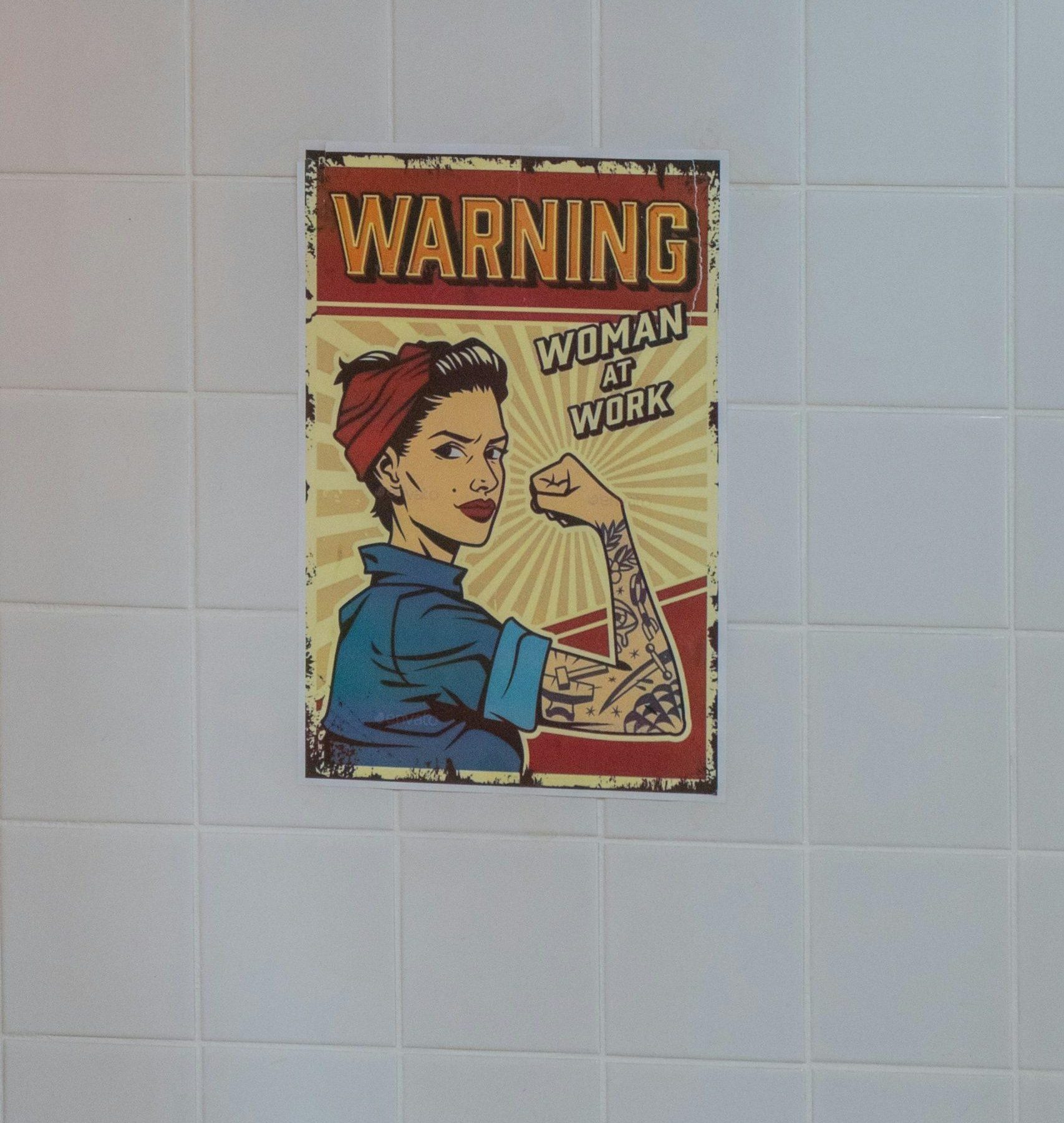
Let’s retire the myth that success requires burnout. Some of the most iconic women in business, sport, politics and the arts don’t just work hard — they recover well. They set boundaries. They protect their energy. They prioritise habits that keep them steady, not just impressive. The truth is that flourishing isn’t accidental. It’s designed. And here’s what we can learn.
Protect Our Energy (Not Just Our Time).
Oprah Winfrey famously schedules thinking time. Arianna Huffington built an empire after publicly burning out and now advocates for sleep like it’s a board-level strategy. Research on self-regulation by Baumeister and Vohs (2007) shows that willpower and attention are finite resources. High performers who build recovery rituals — sleep, movement and reflection — sustain success longer.

In Westside terms, that might look like leaving work on time and taking a canal walk before heading home, choosing a swim at Bannatyne’s or Nuffield Health instead of another late email, or protecting one lunch break a week like it’s a board meeting. Energy management is performance management.
Build Psychological Safety Around Yourself.
Indra Nooyi, former CEO of PepsiCo, often spoke about building environments where people could speak honestly. Brené Brown has built a global following around vulnerability as strength. Research by Amy Edmondson (1999) shows psychological safety predicts innovation and team performance more strongly than individual talent. Women leaders who model openness create cultures where others can thrive. Fearless does not mean never feeling fear. It means creating space here fear doesn’t hold you back. Emma Willis exemplifies psychological safety in action — her calm, steady presence creates spaces where people feel heard rather than judged, a leadership quality strongly linked to trust and team performance (Edmondson, 1999).
Practice Self-Compassion, Not Self-Criticism.
Serena Williams has openly discussed mental resilience — not just physical training — as key to longevity. Psychologist Kristin Neff’s research (2003) shows self-compassion is linked to higher motivation, lower anxiety and greater resilience. Contrary to popular belief, being kind to yourself does not make you complacent. It makes you sustainable. If your inner voice sounds harsher than it would toward a friend, it is not driving performance — it is draining it. Lean Into Strengths Instead of Fixating on Flaws.
From Michelle Obama to Dame Kelly Holmes, many high-achieving women speak about knowing what they are good at and doubling down on it. Strengths-based psychology by Clifton and Harter (2003) shows people who use their core strengths daily are more engaged and less likely to burn out. Instead of asking “What am I bad at?” try asking “What gives me energy when I do it?” When we lean into our strengths, magic can start to happen. Just like how Alison Hammond has the ability to bring warmth into every room — the kind of genuine connection that strengthens relationships and collective wellbeing, all from embracing one of the things she does best.
Make Rest Your Power Move.
Jacinda Ardern, former New Zealand Prime Minister, has spoken publicly about leadership with empathy and balance. Elite athletes build recovery days into training cycles not as indulgence, but as strategy. Ellie Simmonds shows that sustainable high performance depends on deliberate recovery; sports psychology consistently highlights that structured rest improves resilience, focus and long-term success. Neuroscience shows that the parasympathetic nervous system — our rest-and-digest mode — is essential for emotional regulation and cognitive clarity (Porges, 2007). Without it, decision-making deteriorates. Rest is not weakness. It is neurological maintenance.
Anchor Your Work to Purpose And Meaning.
Positive psychology pioneer Martin Seligman (2011) highlights meaning as one of the five pillars of wellbeing. The women who sustain success long-term tend to tie their work to something bigger than ego. Purpose protects against burnout. Meaning stabilises mood. Contribution increases life satisfaction. That might mean mentoring a junior colleague, supporting a local initiative in Westside, or reconnecting with why you started your career in the first place. You do not have to be globally famous to flourish. You can be fierce in a boardroom, fearless behind a bar, flourishing in a retail shift and grounded at home. The women we admire are not superhuman. They have simply learned something powerful: wellbeing is not the reward for success. It is the foundation of it.